Fused Deposition Modeling (FDM)
Description
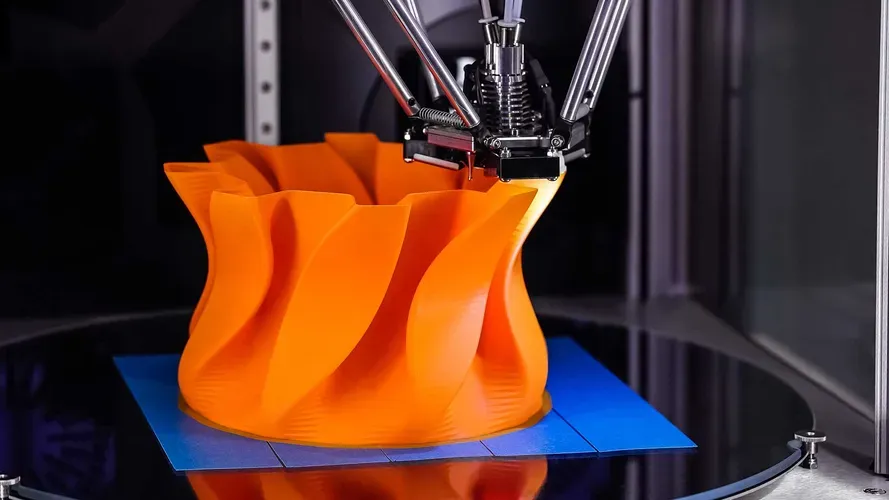
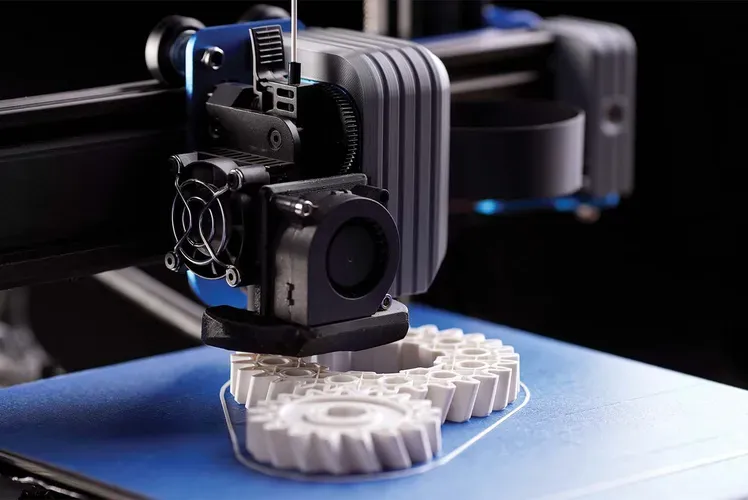
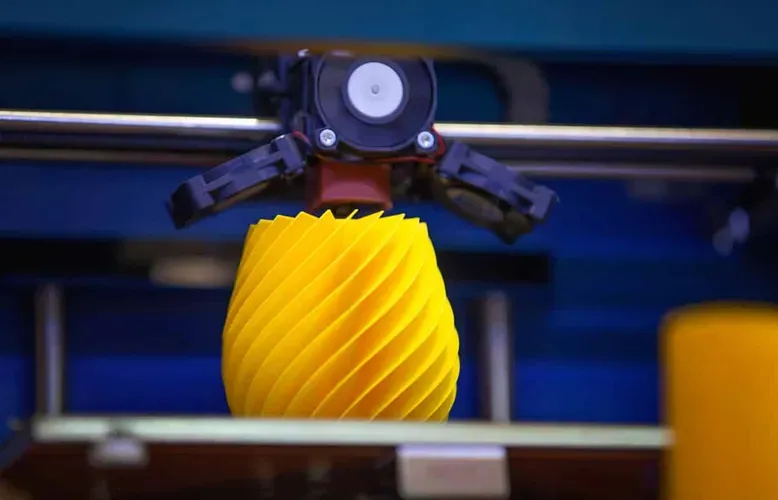
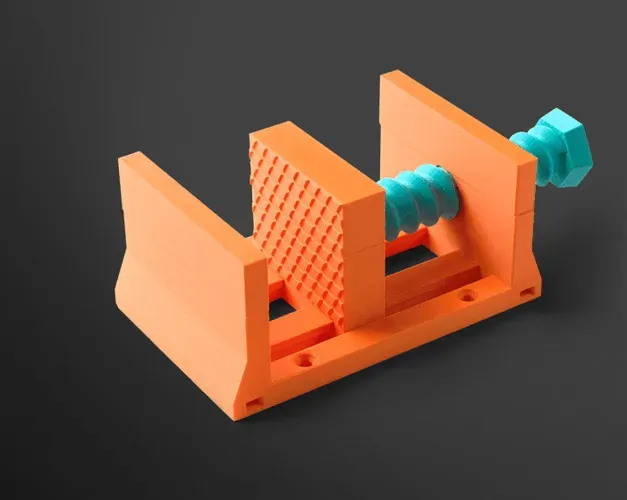
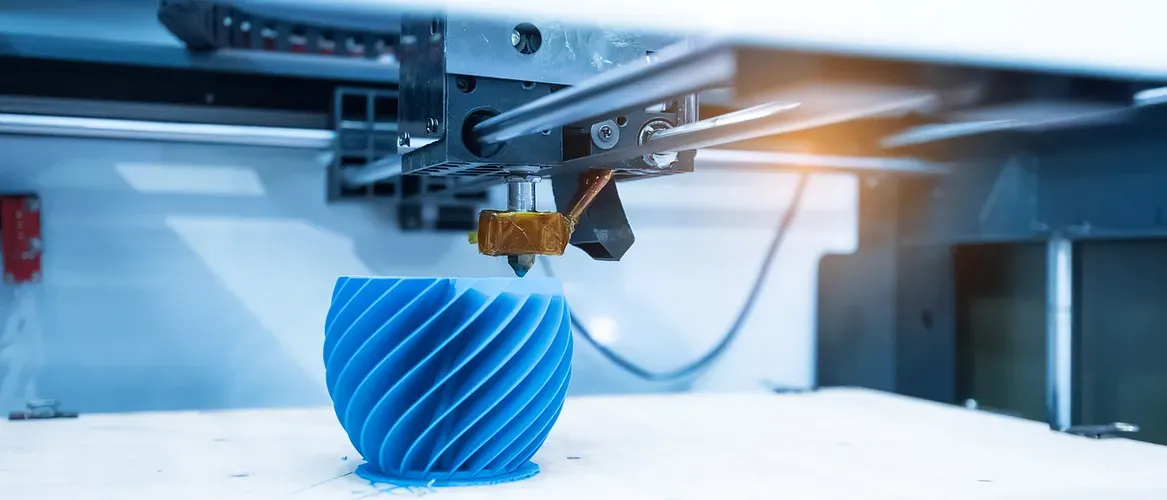
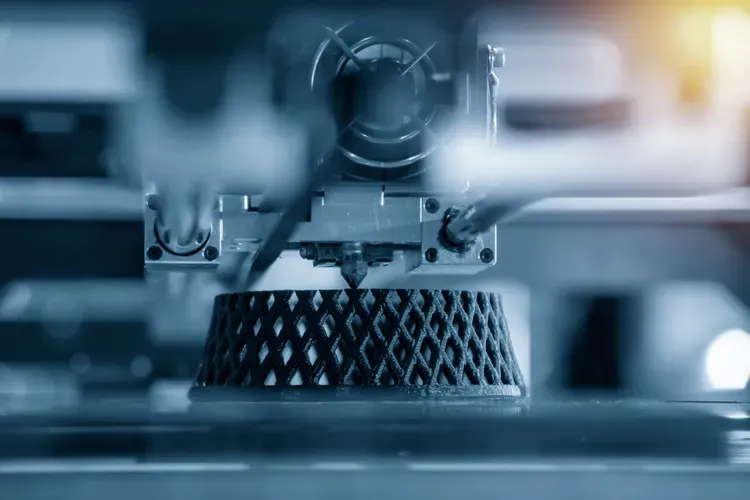
FDM is a widely used 3D printing technique that employs a heated extruder to deposit thermoplastic filament layer by layer, gradually building up a solid object. Known for its versatility and affordability, FDM is one of the most popular 3D printing methods available. Its compatibility with a diverse range of filaments makes it suitable for a broad array of applications, from prototypes to functional parts.
Materials Available
- Acrylonitrile Butadiene Styrene (ABS)
- Carbon Fiber (CF)
- Flex PLA (Polylactic acid)
- Nylon
- PLA (Polylactic acid)
- Polycarbonate (PC)
- Polyethylene Terephthalate Glycol-Modified (PETG)
- PEEK (Polyether ether ketone)
- TPE (thermoplastic elastomer)
- Thermoplastic Polyurethane (TPU)
- PC + ABS
Technical Details
- Mechanical Properties: Varies with material.
- Max Build Size: 1000 x 1000 mm.
- Surface Finish: Visible layer lines, may require post-processing.
- Dimensional Accuracy: Moderate to high, within ±0.2mm.
- Speed of Production: Moderate.
Advantages
- Cost-effective and versatile.
- Wide range of materials.
- Available in many colours.
- Production time is shorter.
Limitations
- Not recommended for high-quality parts or precision parts.
- Most materials cannot be used for high-strength applications.
- Many supports are required during production, contributing to the cost.
Aesthetic Options
- Colours: Custom colours can be applied during post-processing. We use UV-resistant, automotive-grade paints and can match specific RAL codes to achieve the requested colour and finish.
- Finishes: Glossy, semi-gloss, matt, dead matt, and powder finish.
Ready to Start Your Project?
Our team of experts will help you choose the right technology and materials.