Vacuum Casting
Description
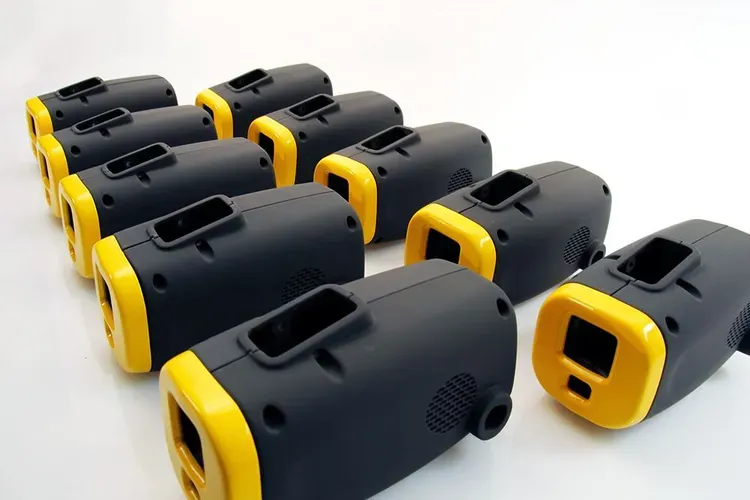
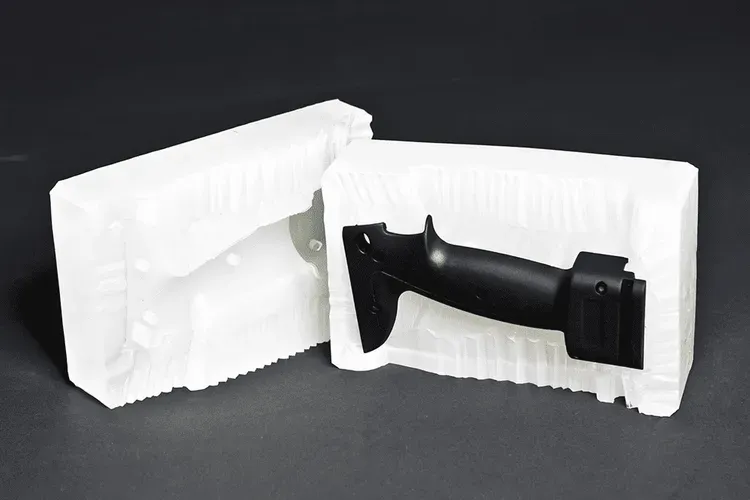
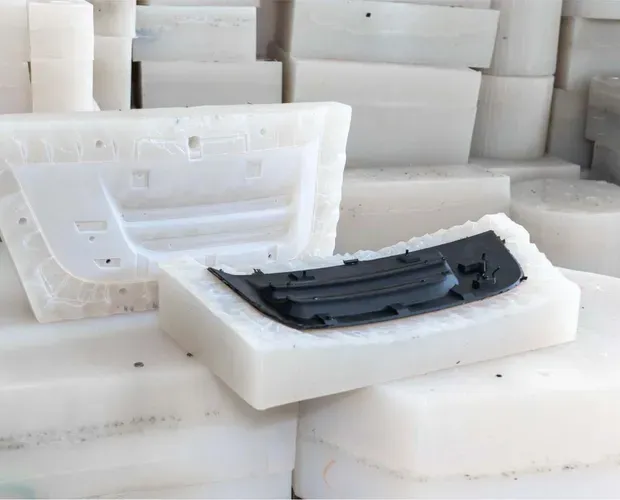
Vacuum casting is a low-volume manufacturing process that uses silicone molds to produce high-quality plastic parts that closely resemble injection-molded components. Vacuum cast parts are produced by first creating a high-precision master pattern using 3D printing technologies such as SLA or SLS, which defines the exact geometry and surface finish of the final parts. This master pattern is then used to make a silicone mold, which is poured and cured around the pattern to capture every detail before the pattern is removed. Each silicone mold typically yields around 25–30 parts, depending on the part geometry, overall dimensions, and the chosen casting resin.
Materials Available
- Acrylonitrile butadiene styrene (ABS)
- Polyurethane resin (PR700)
- Polyurethane clear resin (8744E)
- Polyurethane flexible resin (8400)
- Polyurethane high-temperature resin (8060-HT)
- Nylon
- Nylon+GF
- Polypropylene (PP)
Technical Details
- Mechanical Properties: Mimics injection-molded parts.
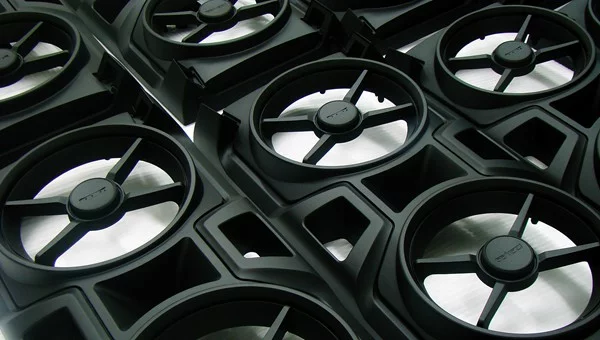
- Surface Finish: Smooth, high-quality finish, often no further processing needed.
- Dimensional Accuracy: High, typically within ±0.1mm.
- Max Build Size: Limited by silicone mold and vacuum chamber (800 x 800 mm).
- Speed of Production: Moderate, 7-10 days for small batches.
Advantages
- Detail and accuracy.
- Cost-efficiency for small batches.
Aesthetic Options
- Colours: Custom colours can be applied during post-processing. We use UV-resistant, automotive-grade paints and can match specific RAL codes to achieve the requested colour and finish.
- Finishes: Glossy, semi-gloss, matt, dead matt, and powder finish.
Ready to Start Your Project?
Our team of experts will help you choose the right technology and materials.